Retrospective: Uche Okeke’s Postwar Pedagogy at Nsukka
Published 11 December 2025 in The Work
Uche Okeke Legacy Editorial
Written by Lesedi Hlahaswane

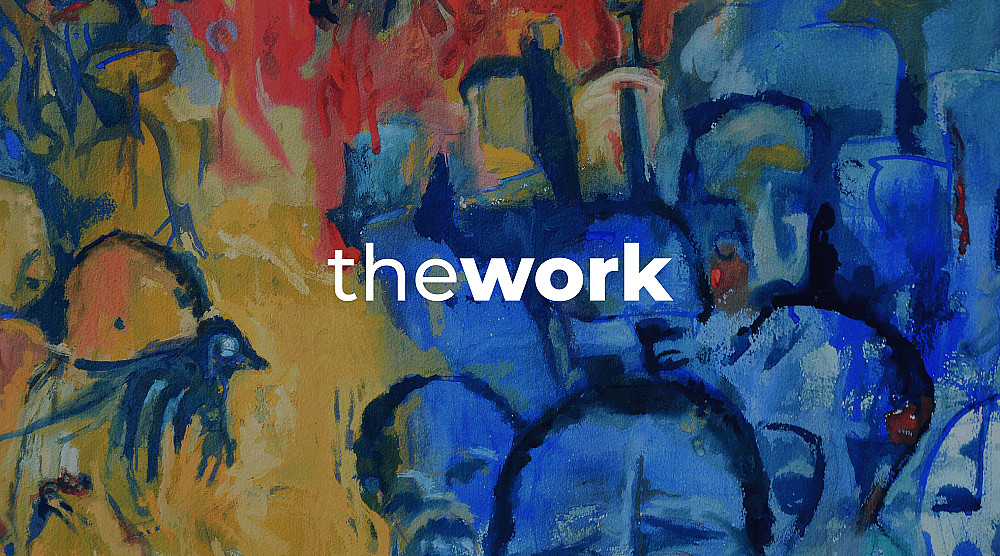
Untitled, Uche Okeke, 1976, (Legacy Archives)
In the aftermath of the Nigerian Civil War (1967 – 1970), Uche Okeke emerged as both artist and educator shaped by conflict. His appointment as Head of the Department of Fine and Applied Arts at the University of Nigeria, Nsukka, in 1997 marked the beginning of an era deeply informed by war. Looking back reveals how trauma, scarcity, and resilience translated into a distinctive model of African modernist art education.
As head of the Fine Arts Department, Okeke developed a curriculum that rejected the dominant Eurocentric art education models imposed during colonial rule. Instead, he championed a pedagogy rooted in indigenous knowledge systems, especially the notable Uli tradition of the Igbo people. Uli is a linear drawing practice traditionally used by women to decorate walls and bodies; this became a visual vocabulary and a philosophical framework through which Okeke encouraged his students to follow when exploring identity, history and creativity.
This approach, which later came to define the Nsukka School, was more than a nostalgic return to precolonial aesthetics but a modernist reinterpretation of African visual culture. Okeke urged students to pay attention to and study the art around them - Uli, Nsibidi, the different iconography in the masquerades, Okeke referred to them as living sources of knowledge. A pedagogical method driven by research, drawing from observation, rooted in culture and critical thinking.

‘Beast Savanah Country,’ Uche Okeke, 1959 (Legacy Archives)
In this way, Uche Okeke’s postwar pedagogy at Nsukka was as much about healing as it was about art. It aimed to restore dignity to a wounded nation by grounding their creative expression in the richness of their own traditions. His legacy lives on in the generations of artists and scholars who walked the halls of Nsukka, many of whom continue to redefine what it means to be modern and African.

‘Untitled,’ Uche Okeke, 1959, Linotype, 24.6 x 18.5 inches (Legacy Archives)